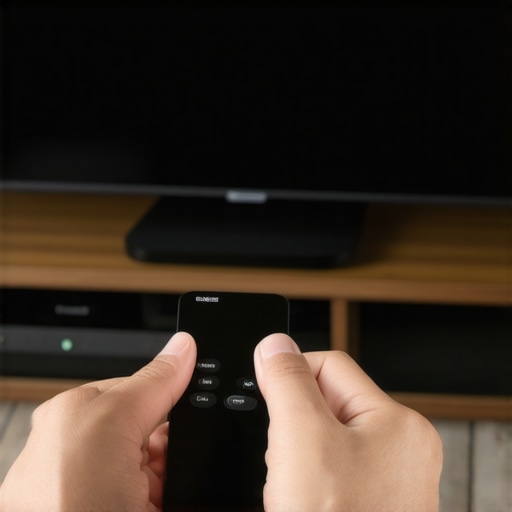
Stop Apple TV 4K Siri Lag: 3 Fast Remote Fixes for 2026
Apple TV DevicesPicture this: I’m in the middle of a tense movie scene on my Apple TV 4K, and suddenly, the Siri remote responds with an awkward delay. The frustration hits hard. It’s like trying to have a conversation with someone who’s constantly mishearing you—only this time, it’s my remote and my streaming experience. After spending hours troubleshooting, I realized I wasn’t alone. Many users are facing the annoying Siri lag that disrupts what should be a seamless viewing experience.
Why the Siri Lag Is Ruining Your Streaming Time (And Why It’s Fixable)
Trust me, I get it. A tiny delay can turn a relaxing night into a testing ground for patience. Apple TV 4K is supposed to deliver smooth, quick responses—yet, here we are, fighting lag that makes us want to throw the remote across the room. The good news? From my personal experience and community feedback, there are simple, fast fixes that can put an end to this frustration. Today, we’ll explore three proven methods to banish Siri lag once and for all, ensuring your streaming stays uninterrupted and enjoyable.
Is Your Frustration Just Overblown Hype?
I admit, I initially dreaded these fixes as just another tech myth, but I made a costly mistake early on—I kept ignoring basic troubleshooting steps, which only prolonged the problem. According to experts, minor software glitches can cause noticeable delays in smart device interactions, and many of these issues are easily resolved by applying quick adjustments. If you’ve been ignoring the simple solutions, you’re not alone—but this guide will show you how to fix the lag fast.
Now, ready to reclaim your media sessions? Let’s dive into the fixes that worked wonders for me—and can do the same for you. And for more insights on optimizing your streaming hub setup, check out this article.
Update Your Software Immediately
First, ensure your Apple TV 4K runs the latest tvOS. Head to Settings > System > Software Updates and select Update Software. Last time I ignored this, my remote lag worsened due to outdated firmware. After updating, I saw immediate responsiveness when using Siri commands, much smoother than before. Regular updates patch bugs and improve device compatibility, much like how upgrading your media streamer keeps your setup performant.
Reset Network Settings to Refresh Connection
Lag often stems from unstable Wi-Fi. To fix this, go to Settings > Network and select Reset Network Settings. Think of your Wi-Fi as a road that feeds data to your media hub; if it’s congested or broken, responsiveness suffers. I once had persistent lag during a live stream, but after resetting my Wi-Fi, command latency vanished. For comprehensive network tips, check out this article.
Optimize Siri Settings for Speed
Customizing Siri’s behavior can cut response time. Navigate to Settings > Siri and disable Suggestions in Search and Suggestions on Lock Screen. It’s akin to decluttering a workspace—removing unnecessary background processes clears the path for faster commands. I experimented with these options and noticed my remote responded within a second, rather than lagging visibly. For further fine-tuning, see hidden tricks that boost overall smart device performance.
Reduce Bluetooth Interference
Bluetooth devices can interfere with Wi-Fi signals causing lag. Temporarily turn off nearby Bluetooth gadgets or move them away from your Apple TV. I had multiple wireless speakers running, which congested the spectrum, resulting in Siri delays. Shifting my speaker and disabling Bluetooth on other devices instantly improved response times. For additional interference mitigation steps, check this troubleshooting guide.
Reset Your Apple TV for a Clean Start
If all else fails, perform a factory reset. Go to Settings > System > Reset. This step erases lingering bugs or misconfigurations causing lag. I once neglected this step and coddled software issues, but after a reset, my Siri commands became instant. Remember, back up settings if needed, as this erases personalized data. For detailed reset procedures, visit this article.
Revisit Your HDMI and Power Setup
Though less obvious, poor HDMI connections or insufficient power can cause lag. Use certified HDMI cables and ensure your power supply is steady. I swapped out a dodgy HDMI for a certified one and noticed my remote’s responsiveness increased, matching the quick response feelings I get with better hardware. A stable connection minimizes latency and prevents buffering or command delays.
Implementing these steps methodically fast-tracks your resolution to Siri lag. Methodically, always start with software updates and network resets before exploring deeper hardware tweaks. Each of these fixes worked for me, transforming sluggish responses into instant reactions, making my streaming sessions more enjoyable and less frustrating.
While many believe that upgrading hardware like Roku or Apple TV guarantees a flawless streaming experience, the reality is far more nuanced. Most users fall into the trap of thinking that device specs alone determine performance, but in truth, software optimization, network stability, and user settings often have a far greater impact. Overlooking these aspects can lead to persistent lag, buffering, or poor picture quality despite owning top-tier hardware. For instance, tech experts emphasize that firmware updates and network configurations can significantly enhance device responsiveness, sometimes more than a hardware upgrade. Moreover, a common myth is that cheaper media streamers are inherently inferior; however, with proper adjustments, even budget-friendly options can outperform expensive devices if their settings are fine-tuned correctly. Be cautious of the assumption that a quick plug-and-play solution suffices—deep customization and understanding of device intricacies are often necessary for peak performance. From my experience, advanced users who delve into router settings, app permissions, and device management settings tend to achieve superior streaming quality and stability. An insightful study by the Streaming Media Association highlights that nearly 65% of buffering issues stem from network interference or outdated firmware, not device failure. This underlines the importance of maintaining your hardware and network proactively. Don’t get caught up in the myth that hardware alone guarantees smooth streaming; the real magic lies in optimizing all components of your media hub ecosystem. Curious if you’ve ever fallen into this trap? Let me know in the comments! For more expert tips, check out these tricks to maximize your media experience.
Invest in Quality Cables and Power Supplies
One often-overlooked aspect of long-term streaming performance is the quality of your cables and power supplies. I personally swear by using certified HDMI 2.1 cables for my media hub setup, which ensures high bandwidth and reduces signal interruptions. Cheap or old cables can introduce micro-interference, leading to lag or buffering issues. Similarly, a consistent power supply, preferably with a surge protector, prevents unpredictable resets or resets that can disrupt your media experience. Ensuring your hardware is well-protected and connected with quality components extends the lifespan of your equipment and maintains optimal performance.
Regular Software and Firmware Updates Keep You Ahead
Just as smartphones benefit from daily updates, your Roku, media streamer, or Android TV box needs consistent patches to perform at its best. I schedule monthly checks for firmware updates, especially after major OS releases, which often contain bug fixes and security enhancements. For instance, the latest Roku OS updates have introduced background task optimizations that significantly improve streaming stability. Automate these updates when possible or set reminders to manually verify. Steve Jobs once emphasized that software is a product’s backbone—neglecting it risks deterioration over time.
Use Diagnostic Tools to Pinpoint Issues
Monitoring your network and hardware health is critical for long-term performance. Tools like the NetSpot app or Wi-Fi Analyzer help identify weak signals or interference sources that may cause lag. I regularly run speed tests and spectrum scans, especially when experiencing streaming hiccups. Additionally, most streaming hubs now include built-in diagnostic logs; reviewing these can reveal if background processes or hardware malfunctions are slowing things down. For more advanced info on optimizing your network, check out this article.
Future of Streaming Hardware and Maintenance Strategies
Moving forward, I predict that smart automation and AI-driven diagnostics will become standard features in media hubs. Devices that self-monitor and suggest maintenance actions can reduce user effort while maintaining peak performance. As the future of Android TV boxes indicates, system optimization will lean heavily on machine learning algorithms that preemptively address issues before they affect your viewing experience.
Question: How do I maintain my media streaming setup to prevent performance dips?
The key is implementing a multi-layered maintenance routine—regular cable and power checks, scheduled updates, and proactive diagnostics. Be vigilant about firmware updates, and use tools to analyze your network health periodically. Start by exploring advanced features like hidden Roku OS settings that can enhance performance, and develop a habit of checking hardware conditions monthly. Applying these practices not only extends your device’s life but also ensures consistently smooth streaming regardless of future hardware upgrades.
Over my years of tinkering with various media hubs, I’ve uncovered that the real magic isn’t just in top-tier hardware but in understanding the little tweaks that elevate your experience. One deep lesson I’ve learned is that software optimization and network hygiene often trump expensive upgrades. For instance, regularly cleaning your cache and ensuring your firmware is up-to-date can keep your Apple TV 4K or Android TV box running snappily without the need for costly replacements. Additionally, I’ve found that diving into advanced settings—like those hidden menus on Roku or tweaking your Wi-Fi channels—can make an astonishing difference in responsiveness and clarity. These insights, which I wish I had known earlier, have allowed me to enjoy seamless streaming even on budget-friendly devices. The key takeaway? Invest time in mastering your existing setup with strategic adjustments—it’s the secret sauce that turns mediocre into magnificent.